Blog

Best Night Vision Monocular: Digital, Gen 3, and Thermal Compared (2026)
The best night vision monocular for you depends entirely on which of four different technologies suits your budget and your use, and most buying guides never explain that clearly. A hunter scanning a treeline needs a completely different device from someone walking a trail after dark or watching a property from the back door. This guide breaks down digital night vision, the analog generations, and thermal, tells you honestly which wins for which job, and names specific devices at each price.
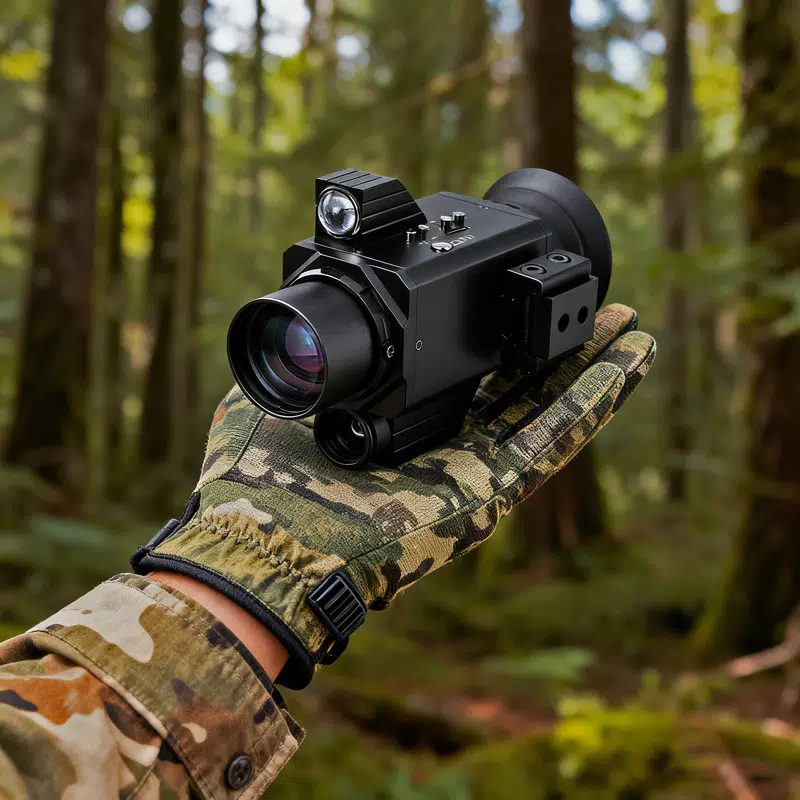
If you already know you want thermal, which for hunting is usually the right answer, jump to our complete thermal monocular guide or browse the thermal monocular range.
Products by Category
-
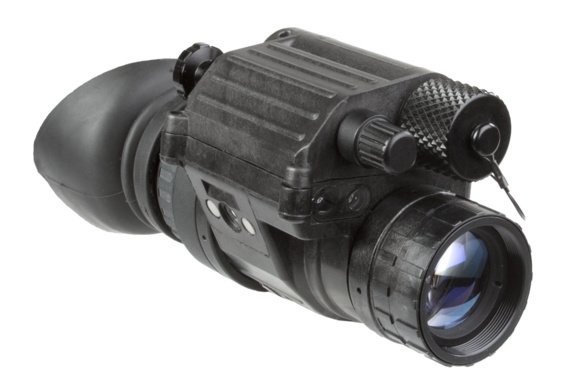
AGM PVS-14 NL1 Night Vision Monocular (Gen 2+ Level 1 Green, FOM 1400-1800)
-
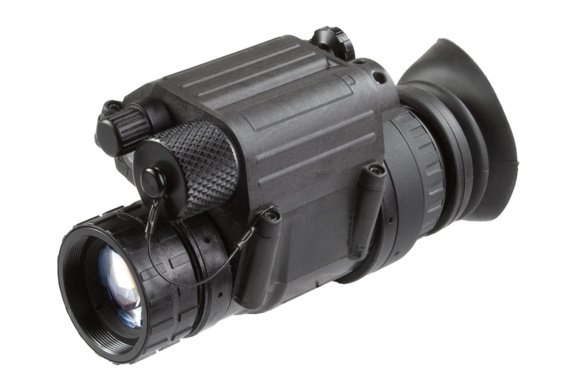
AGM PVS-14 NL2 Night Vision Monocular (Gen 2+ Level 2 Green)
-

AGM PVS-14 NW1 Night Vision Monocular (Gen 2+ Level 1 White, FOM 1400-1800)
-
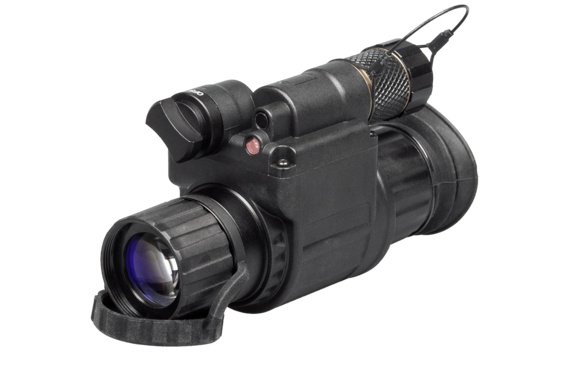
AGM Wolf-14 NL1 Night Vision Monocular (Gen 2+ Green Phosphor)
-
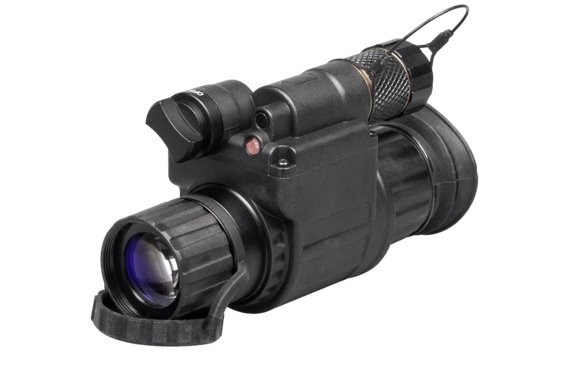
AGM Wolf-14 NW1 Night Vision Monocular (Gen 2+ White Phosphor)
The four types of night vision, explained
This is the single most useful thing to understand before you spend anything. “Night vision monocular” covers four quite different technologies, and the price and performance gaps between them are enormous.
Digital night vision
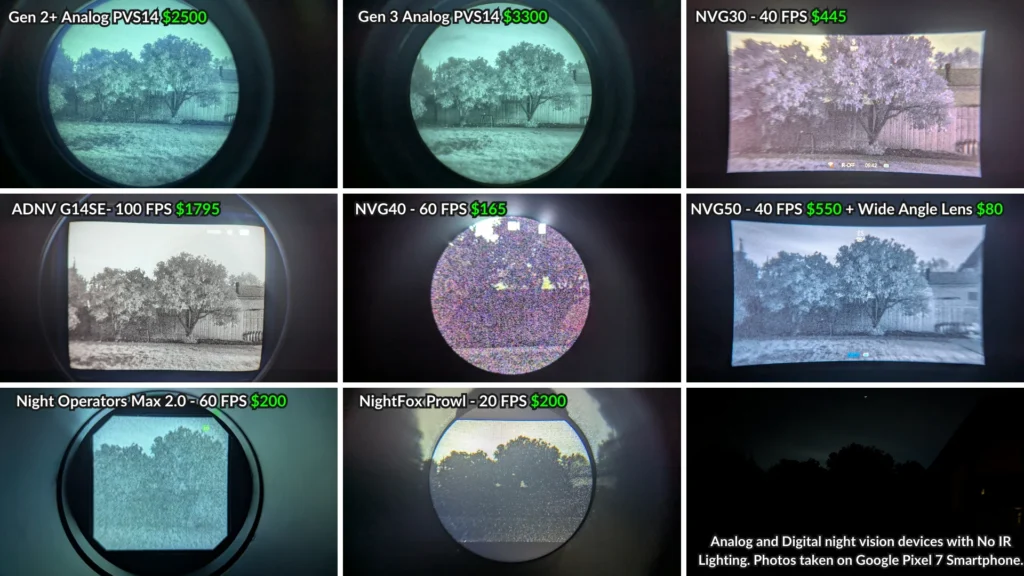
A digital night vision device uses a sensitive CMOS sensor, similar to the one in a camera, paired with an infrared illuminator and a small display. It gathers the faint visible and near-infrared light present, amplifies it electronically, and shows the result on screen. In full darkness the built-in IR illuminator acts as an invisible torch the sensor can see.
The advantages are cost and features. Digital units start under €60, record video and photos, output to a screen, and work in daylight without damage. The image is usually monochrome, though full-color digital night vision now exists at the top of the category.
The limitation is that in genuinely dark conditions, performance depends heavily on the IR illuminator, and the illuminator often reaches further than the sensor can resolve detail.
Analog Gen 1, 2, and 3
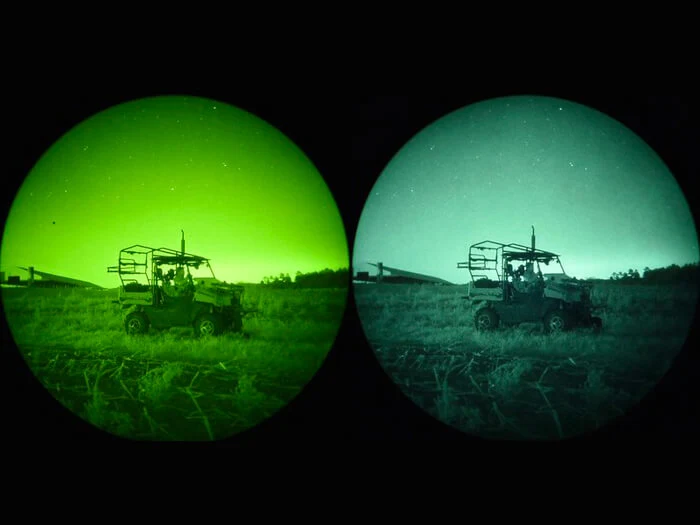
Analog night vision uses an image intensifier tube, the technology most people picture as “real” night vision. It amplifies existing light through a physical tube rather than a sensor, and the generations describe how good that tube is.
- Gen 1 is the cheapest analog technology, adequate under moonlight, and weak under cloud. A shrinking market as digital takes over the budget end.
- Gen 2 is a real step up, with a much brighter, clearer image and better low-light performance.
- Gen 3 is the military and professional standard, with excellent performance in near-total darkness, white or green phosphor, and auto-gating. It is expensive, typically four figures.
- Gen 4 is a marketing term for unfilmed Gen 3 tubes rather than a genuinely separate generation.
Analog Gen 3 delivers genuine dark-sky performance that digital cannot match, but it costs from around €1,900 to well over €5,000, cannot record, and can be damaged by bright light.
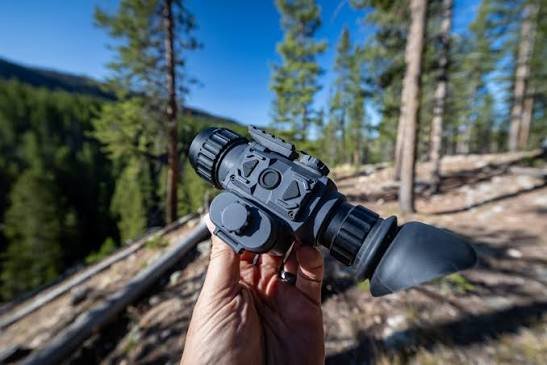
Thermal
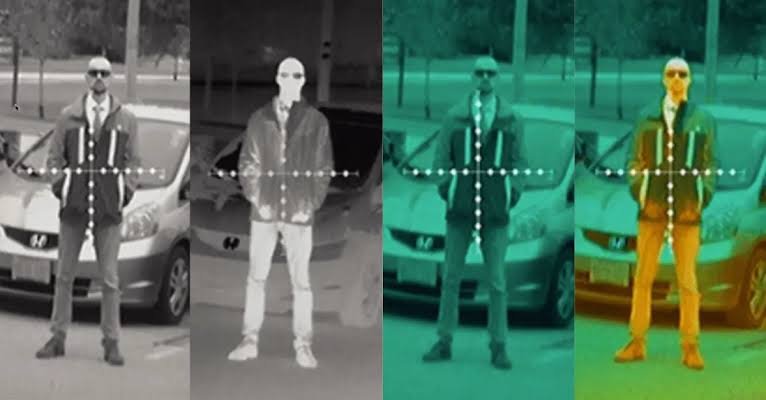
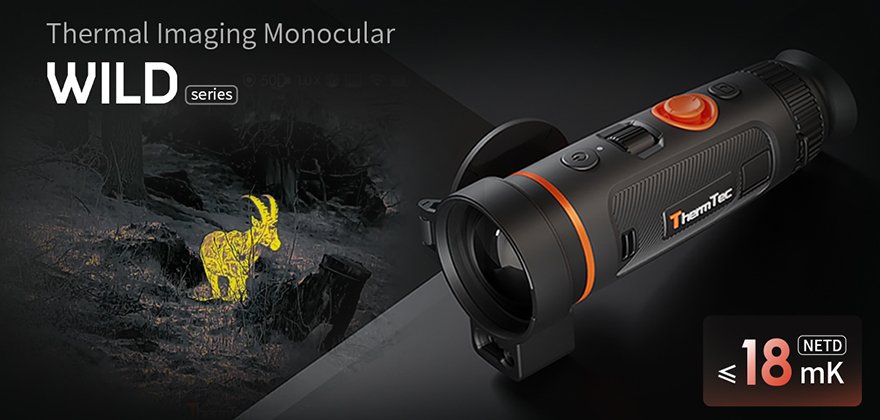
Thermal imaging is not night vision in the traditional sense at all. It emits heat rather than reflected light, so it needs no light whatsoever and is not fooled by camouflage, cover, or darkness. It is the only one of the four that makes a warm animal genuinely leap out of a dark background.
Thermal shows heat and shape but not fine detail, and it has, over the last five years, become the default choice for hunting and wildlife. Full detail in our complete thermal monocular guide.
Night vision technologies compared
| Digital NV | Gen 1 | Gen 2 | Gen 3 | Thermal | |
|---|---|---|---|---|---|
| How it works | CMOS sensor + IR | Intensifier tube | Better tube | Best tube | Reads heat |
| Needs some light | Yes (or IR) | Yes. | Yes. | A little | No |
| Finds a hidden animal | Poor | Poor | Moderate | Moderate | Excellent |
| Shows detail, faces | Yes. | Yes. | Yes. | Yes. | No |
| Works in daylight | Yes. | No | No | No | Yes. |
| Records video | Yes. | No | No | Rarely | Yes. |
| Price | €60-650 | €150-400 | €400-1,500 | €1,900-5,500 | €329-2,900 |
| Damaged by light | No | Yes. | Yes. | Yes. | No |
The pattern that matters: light-based night vision is better at identifying what something is; thermal is better at finding it in the first place. For most people asking, “What should I buy?” that single sentence decides it.
Which should you buy?
For hunting: thermal, in almost every case
If you are hunting, the honest answer is usually thermal rather than any form of light-based night vision, and it is worth saying plainly rather than selling you the more traditional option.
A thermal monocular makes a warm animal obvious against cool ground in total darkness, cuts through light haze, is not defeated by an animal standing still in cover, and works in daylight too. Digital and analog night vision all struggle at exactly the moment a hunter needs them most: a still animal in shadow on a dark, moonless night. Thermal does not.
The one thing thermal cannot do is identify fine detail, so some hunters carry a thermal to find and a light-based device or binocular to confirm. But if you buy one device for hunting, buy thermal. Our thermal monocular for hunting guide covers the choice.
For walking, navigation, and helmet use: digital or Gen 3
If your job is to see where you are going in the dark, to walk trails, navigate, or move around a property, you want an image that looks like the real world, which means light-based night vision. A 1x device shows the scene at natural scale, which is what you need for walking and helmet-mounted use.
Digital covers this affordably. Gen 3 does it superbly if your budget reaches four figures.
For security and property: digital, usually
For watching a yard or a perimeter, digital night vision is usually the sensible choice. It records, it is cheap, it is not damaged by security lighting the way an intensifier tube can be, and identification detail matters more than raw detection. For finding a person hidden in cover, thermal is stronger, so some setups use both.
For budget-conscious buyers: digital
If price is the constraint, digital night vision has collapsed in cost and offers the most capability per euro under about €500. Analog Gen 1 exists cheaply but is largely being replaced by better-value digital.
The best night vision monocular by category
Best digital night vision monocular
Digital is where most buyers should look, and the category runs from under €60 to around €650. The sweet spot sits in the €550 to €650 band, where you get a genuine QHD sensor, 500m-plus detection with the IR illuminator, recording, and often helmet-mount capability. Look for a device with a good sensor rather than a big headline IR range, since the illuminator frequently outreaches the sensor’s ability to resolve detail.
If you stock digital NV, link your pick here. If not, guide hunting buyers to thermal and note you can advise on NV sourcing.
Best budget night vision monocular
Under €200, digital dominates, and the analog options are weak. A digital unit at this level works for close-range garden and property use and casual wildlife spotting, with recording as a bonus. Do not expect it to identify anything at distance in true darkness. If your real aim is finding animals rather than watching a lit scene, a budget thermal monocular from around €329 will serve you far better.
Best Gen 3 night vision monocular
Gen 3 is the professional tier, built around the PVS-14 pattern, with white or green phosphor tubes and auto-gating. Expect €1,900 to €5,500 depending on tube quality, measured by figure of merit. This is genuine military-grade capability, and it is overkill for most civilian use.
An important note for European buyers. Gen 3 image intensifier tubes are subject to strict export controls, particularly from the United States, and cross-border purchase can be legally complex or impossible depending on your country. This is a significant practical barrier that does not apply to digital or thermal. Check your national rules before setting your heart on a specific tube.
Best night vision monocular for hunting
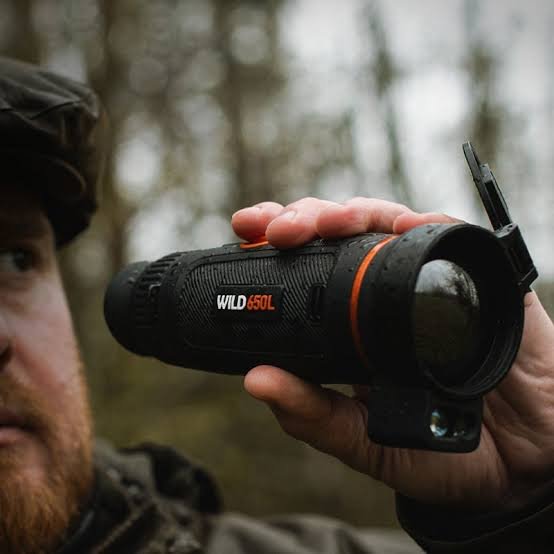
Thermal, for the reasons above. The ThermTec Cyclone at €899 or, on a budget, a HIKMICRO Lynx from €329, will do more for a hunter than any light-based monocular at the same price. See our best thermal monocular for hunting picks.
What to look for in a night vision monocular
Technology first
Decide between digital, analog, or thermal before anything else, using the guidance above. This single choice matters more than every other specification combined.
Magnification
A 1x monocular shows the scene at natural scale, which is essential for helmet-mounted walking and navigation. Higher fixed magnification, 5x or 7x, reaches further for stationary observation. Variable zoom offers flexibility but sacrifices image quality at the top of the range, and digital zoom always reduces clarity.
IR illuminator (digital and analog)
Most light-based night vision includes a built-in infrared illuminator, an invisible torch the device can see. Better units allow intensity control and on/off switching. Remember, the illuminator often reaches further than the device can resolve detail, so a big IR range figure is not the whole story.
Battery
Runtimes range from about 2 to 8-plus hours. For hunting and extended fieldwork, 3.5 hours is the practical minimum. Rechargeable 18650 or USB-C is more economical; disposable CR123A cells have the advantage that you can carry spares.
Recording
Digital night vision records photos and video to a microSD card, which analog cannot. If documenting what you see matters, that alone points you to digital or thermal.
Building and sealing
Look for weather sealing appropriate to field use, and consider weight if you intend helmet mounting, where anything heavy becomes tiring quickly.
Night vision versus thermal: the honest comparison
Because this is the decision most buyers are really making, it deserves a clear answer.
Choose light-based night vision if you need to see a natural-looking image, identify fine detail, read markings, navigate on foot, or work where some ambient light exists. It shows you the world roughly as your eyes would with far better sensitivity.
Choose thermal if you need to find warm living things in the dark, especially animals that are still, camouflaged, or in cover. It ignores darkness entirely and makes a warm body impossible to miss.
Many professionals carry both, using thermal to detect and night vision to identify. For a single device for hunting or wildlife, thermal wins for most people. Our full comparison of thermal versus night vision covers the decision in depth, and how thermal vision works explains the technology.
Is a night vision monocular legal?
Rules vary considerably across Europe and change periodically, and they differ by technology.
Digital and thermal handheld observation devices are widely permitted, though thermal or night vision used while hunting can be restricted by country and region, particularly when mounted on a firearm.
Analog Gen 3 carries the additional complication of export controls on the intensifier tubes themselves, which can make cross-border purchases difficult or impossible.
We sell optics, not legal advice. Confirm the current position with your national or regional authority before ordering, particularly for Gen 3 tubes or anything used while hunting.
Frequently asked questions
What is the best night vision monocular?
It depends on the technology you need. For hunting, a thermal monocular such as the ThermTec Cyclone is usually the best choice because it finds warm animals in total darkness. For walking, navigation, and identifying detail, a digital night vision device in the €550 to €650 range suits most buyers, while Gen 3 offers professional performance at a four-figure price.
Is night vision or thermal better for hunting?
Thermal, for most hunters. It makes a warm animal obvious against cool ground in complete darkness and is not defeated by an animal standing still in cover, which is exactly where night vision struggles. Night vision retains an edge only for identifying fine detail. Many hunters who try both switch to thermal for finding game.
What is the difference between digital and Gen 3 night vision?
Digital uses a CMOS sensor with an IR illuminator, costs from under €60, records video, and works in daylight. Gen 3 uses an image intensifier tube, costs €1,900 to €5,500, and delivers far superior performance in near-total darkness but cannot record and can be damaged by bright light. For most buyers in 2026, digital offers the better balance of capability and cost.
What is the best digital night vision monocular?
Look in the €550 to €650 range for a genuine QHD sensor, 500 m-plus detection with the IR illuminator, recording, and often helmet-mount capability. Prioritize sensor quality over headline IR range, since the illuminator frequently outreaches what the sensor can resolve. If your aim is hunting rather than watching a lit scene, thermal will serve you better at the same price.
How much does a good night vision monocular cost?
Digital night vision runs from under €60 to around €650. Analog Gen 1 sits around €150 to €400, Gen 2 from €400 to €1,500, and Gen 3 from €1,900 to €5,500. Thermal monoculars run €329 to €2,900. The best value for most buyers is a digital NV under €650 or a thermal device around €899.
Can a night vision monocular see in complete darkness?
Digital and analog night vision need at least a little light, or an infrared illuminator, to work, since they amplify light rather than create it. In genuinely total darkness they rely on the IR illuminator. Thermal needs no light at all, because it reads emitted heat, which is its single biggest advantage over traditional night vision.
What is the best night vision monocular for the money?
For most buyers, a digital night vision device is in the €550 to €650 range, which now offers QHD sensors and recording that were unthinkable at the price five years ago. For hunting specifically, a thermal monocular around €899 delivers more real-world capability per euro than any light-based device.
Can I buy a Gen 3 night vision monocular in Europe?
It can be difficult. Gen 3 image intensifier tubes are subject to strict export controls, especially from the United States, and cross-border purchase can be legally complex or impossible depending on your country. Digital night vision and thermal do not carry the same restrictions. Check your national rules before committing to a specific Gen 3 device.
Do night vision monoculars work in daylight?
Digital night vision and thermal both work in daylight without harm. Analog night vision, meaning Gen 1 to Gen 3 intensifier tubes, can be permanently damaged by bright light and must not be used in daylight. This is a practical advantage of digital and thermal for anyone who wants a device usable around the clock.
Should I get a 1x or magnified night vision monocular?
A 1x device shows the scene at natural scale, which is essential for helmet-mounted use and walking, because magnification distorts your sense of distance when moving. Fixed magnification of 5x or 7x suits stationary observation at range. Variable zoom offers flexibility, but image quality falls at the top of the range.
For hunting, start with our complete thermal monocular guide and thermal monocular for hunting picks, or read thermal versus night vision to settle the choice. Browse the thermal monocular range by type: budget, compact, handheld, and helmet-mounted. Brand guides: Pulsar, AGM, and ATN, all of whom also make night vision.